Seasonal Flooring Care: When to Maintain, Repair, or Install
The seasons change what your floors need. Understanding the rhythm of temperature and humidity throughout the year helps you catch problems early and protect your investment.
Orientation — What This Is
Flooring responds to the environment around it. Hardwood swells when humidity rises and contracts when it falls. Vinyl and carpet absorb moisture from the air and from spills. Even concrete expands and shrinks with temperature shifts. The specific care your floors need depends on what season you are entering and what kind of flooring covers your home. A floor that does well through winter may need different attention in summer; the dry season indoors puts stress on hardwood that the wet season handles differently. This seasonal rhythm is not a flaw in flooring—it is how materials work—but knowing what to expect lets you stay ahead of damage and plan larger work for the right time of year.
The worst time to discover your floor needs help is in the middle of the season when humidity or temperature hits its extreme.
Common Sticking Points
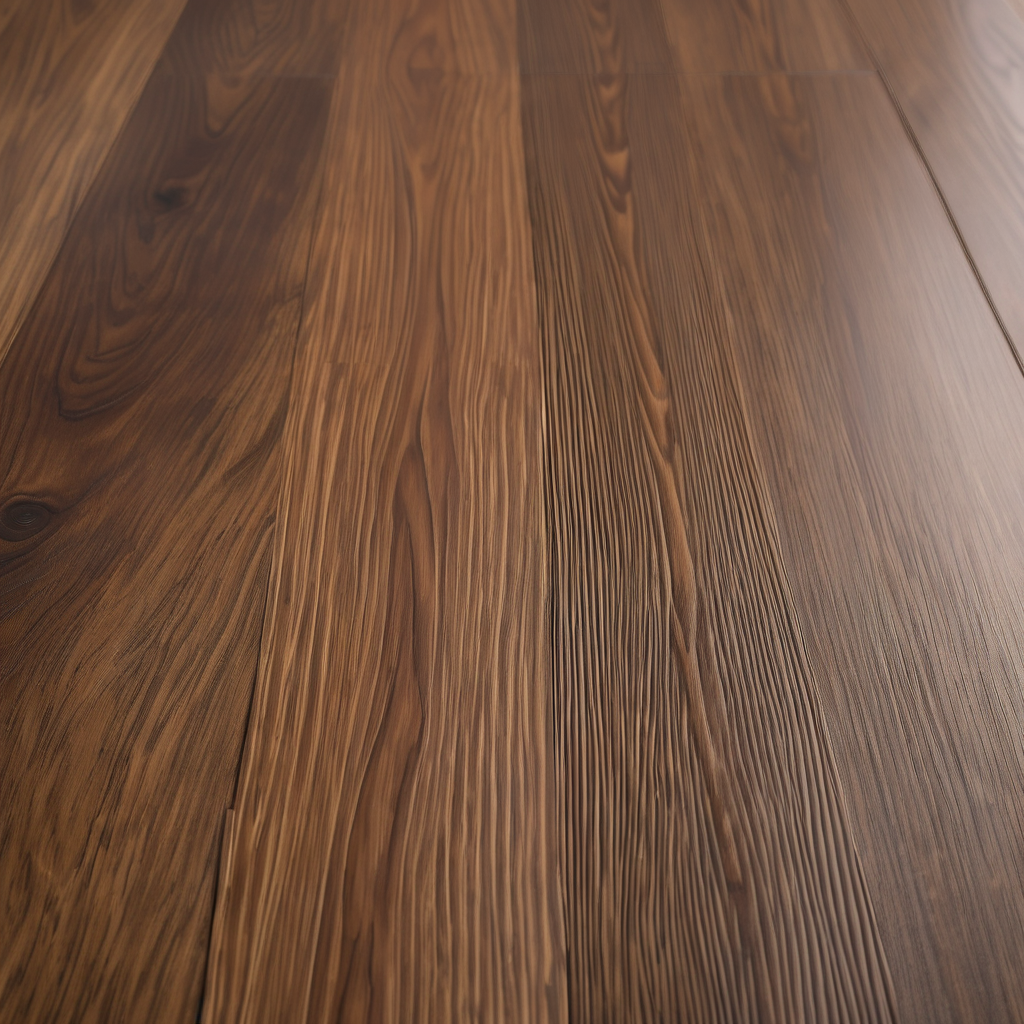
Vinyl plank flooring holds up well across seasonal shifts, with minimal expansion and contraction compared to solid hardwood.
Moisture is the single largest challenge that floors face across seasons. When relative humidity climbs above 60 percent—which happens in spring and early summer—hardwood floors begin to swell. Joints open up slightly and the surface can cup or warp. When humidity drops below 30 percent in winter, especially with heating running all day, hardwood shrinks, leaving gaps between boards that let dust and debris settle in. Vinyl and laminate floors are more stable, but extended moisture exposure can weaken the core and cause soft spots. Carpet holds moisture longest of all and can develop mold if spills are not dried within 24 hours. The solution is the same for all three: monitor the air in your home and use a humidifier or dehumidifier to keep relative humidity in the 35 to 55 percent range.
The Key Figures
Modern flooring materials in climate-controlled homes maintain stability across wider humidity ranges than older hardwood installations.
The ideal humidity band for most flooring is 35 to 55 percent relative humidity. Below 30 percent, hardwood shrinks and finishes become brittle. Above 60 percent, swelling begins, seams open, and mold risk rises. Concrete and tile can handle wider swings, but vinyl and laminate still do best in that middle range. Installation timing matters too: schedule new hardwood flooring for fall or early winter when humidity is naturally lower and the wood has months to acclimate before spring moisture arrives. If you must install in spring or summer, run a dehumidifier for at least a week before laying boards and for two weeks afterward. The wood needs time to adjust to your home's humidity level before the finisher seals it. For vinyl and carpet, timing is less critical, but avoiding the wettest weeks of spring and the most humid weeks of summer keeps installation crews from fighting moisture while they work.