Most flooring problems are small decisions made too quickly, not large disasters. Learn what to watch for before you start.
The problem, stated
Flooring work is a bigger commitment than it looks. A floor lasts 15 to 30 years depending on the material and the conditions it lives in, so choosing wrong or installing badly leaves you living with the consequences. The most common mistakes happen early: mismatched materials for the room's use, skipping the moisture test in a basement, hiring someone who does not know the floor type they are installing, or underestimating how different materials behave in a specific room. By the time the problem shows up—cupping and warping in hardwood, lifting seams in vinyl, staining that will not come out—the fix is expensive and disruptive.
The good news is that nearly every mistake is avoidable. Most come down to spending 20 minutes on a question you were not sure how to ask, checking one detail a contractor should have checked but did not, or asking a second contractor for a second opinion before you sign. The difference between a floor that lasts 20 years and one that lasts 5 is often a single conversation that happened before the work started.
What it should look like when done
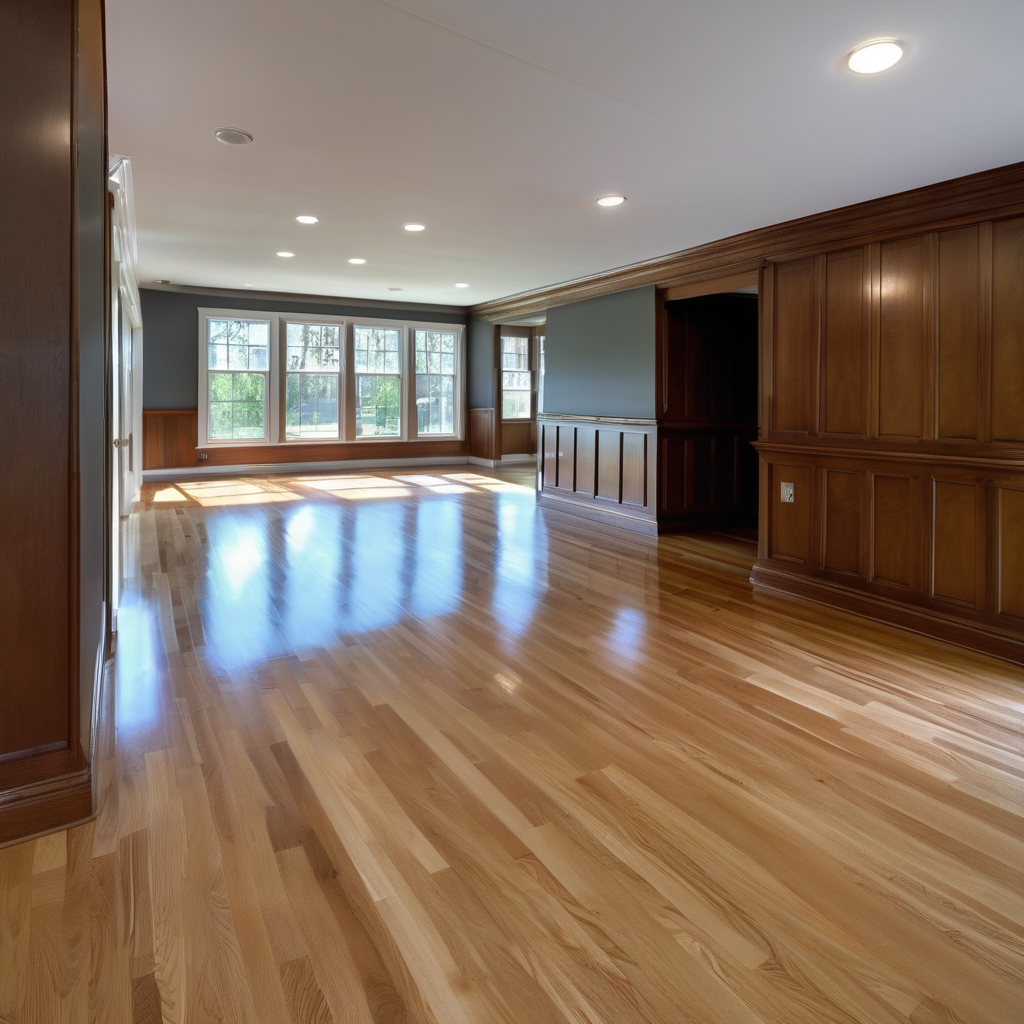
A finished floor is level, even in tone, and sealed or finished to handle the room's traffic without bubbling or cupping
Professional installation in action
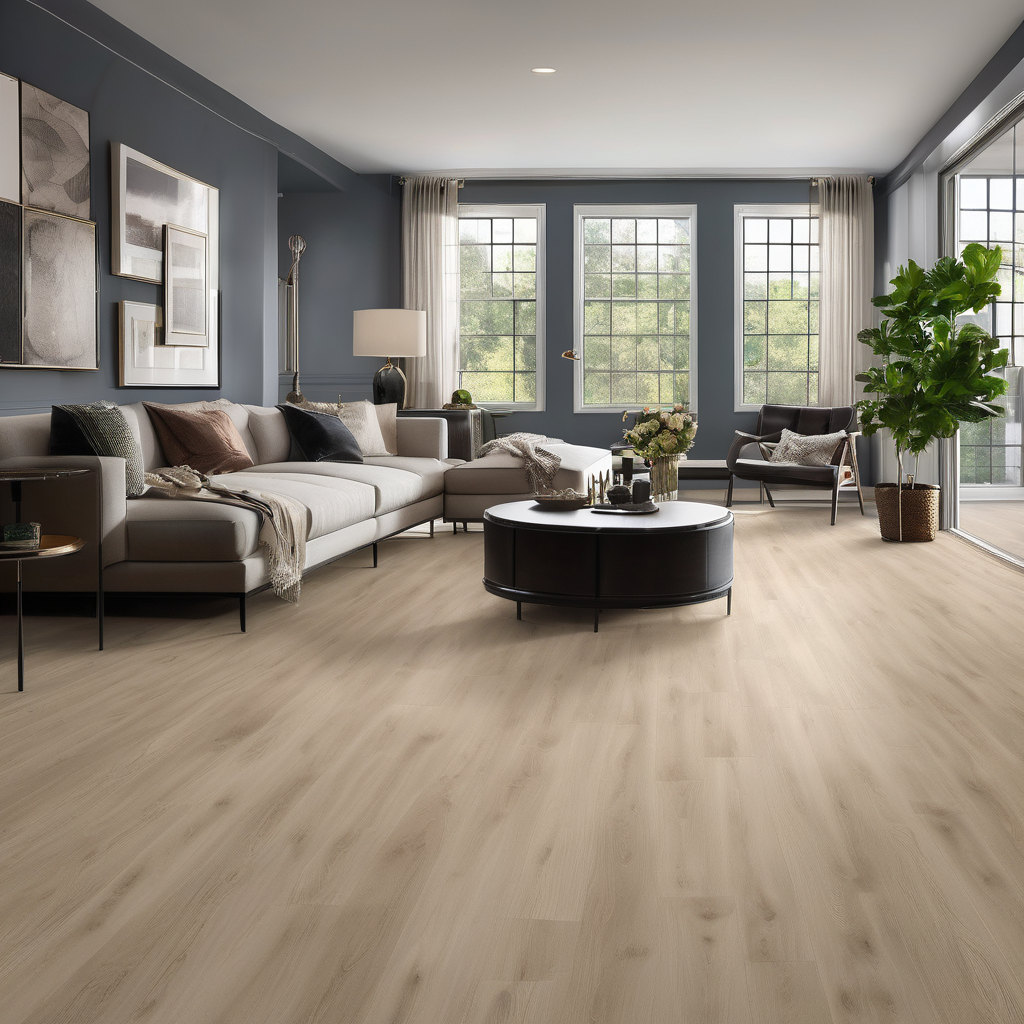
Luxury vinyl plank installation
The right floor material matches the room, the household traffic level, and how you will use the space
When to call a professional
Some jobs you can tackle as a homeowner. Others need someone with flooring experience and the right tools. Old floors that need removal, basement installations (which almost always involve a moisture barrier and professional grading), repairs that involve matching stain or sealing, transitions between rooms with different floor heights, and any situation where a floor sits over in-floor heating all call for a professional who knows that specific material and has done dozens of similar jobs.
The mistake most people make
Assuming the floor that works in a showroom will work in your house without asking about humidity, sunlight, daily traffic, or what will be walking on it for the next 20 years.
What to consider first
Start with the room itself. Is it a bathroom where moisture and humidity matter, a basement with past water risk or current dampness, a kitchen where staining happens fast, or a living room with heavy foot traffic? Hardwood needs stable humidity between 30 and 60 percent and protection from water splashes. Luxury vinyl plank handles moisture well and resists staining but can fade in direct sunlight over many years. Laminate is affordable but cannot be refinished if damaged and may swell if water gets under the edges. Ceramic tile is durable, fully water-resistant, and lasts 25 years or more, but is cold underfoot and can be slippery when wet. Each material has strong points and weak ones. Pick the material that fits the room and the household, not the one that looks best in a picture.
Questions to ask before committing
These three questions catch most problems before they start. First, ask whether a moisture test has been done if the floor is going anywhere near a basement, crawlspace, kitchen, or any area with past water damage. Second, ask who will handle gaps, seams, transitions between floors, thresholds, and perimeter expansion—and get the answer in writing. Third, ask what the warranty covers and for how long. Ask whether it covers wear patterns or only visible defects, and whether it requires professional installation to remain valid. Write the answers down and keep them with your receipt. Later, if something goes wrong, you will have records to back up a warranty claim.
The options compared
Flooring materials at a glance
Material
Moisture tolerance
Durability lifespan
Maintenance
Hardwood
Low, needs stable 30–60% humidity
15–30 years with refinishing
Sweep, damp mop lightly, avoid standing water
Luxury vinyl plank
High, handles moisture and spills well
10–20 years, may fade in direct sun
Sweep, damp mop, some stain risk with dark colors
Laminate
Low to moderate, edge sealing needed
10–15 years, not refinishable
Sweep, mop very lightly, avoid spills and pools
Ceramic tile
Very high, fully water-resistant
25+ years with proper grout sealing
Sweep, mop, grout cleaning, resealing every 1–3 years
Lifespans depend on traffic, subfloor conditions, and maintenance. Professional installation and proper prep extend all of them.