A complete guide to understanding, selecting, and caring for luxury vinyl plank in your home.
What this is
Luxury vinyl plank is a layered flooring product that mimics the look of hardwood or natural stone while offering water resistance and durability at a mid-range price point. It consists of a vinyl wear layer on top, a stabilizing core layer, and a backing layer. Unlike laminate, LVP is actually waterproof, making it a practical choice for kitchens, bathrooms, and basements where moisture is a concern. The variety of finishes and colors available means you can find patterns that closely resemble expensive materials without the maintenance burden.
What sets it apart from genuine hardwood or tile is the manufacturing process. Each plank is milled to exact dimensions, so you know every board will fit consistently with no variations in thickness. The surface layer is treated for durability and is resistant to scratches from normal household activity, and the water resistance means spills can be wiped up quickly without risk of swelling or damage. The installation process is faster than traditional flooring, and the material itself is more forgiving if you make mistakes during installation.
Next step
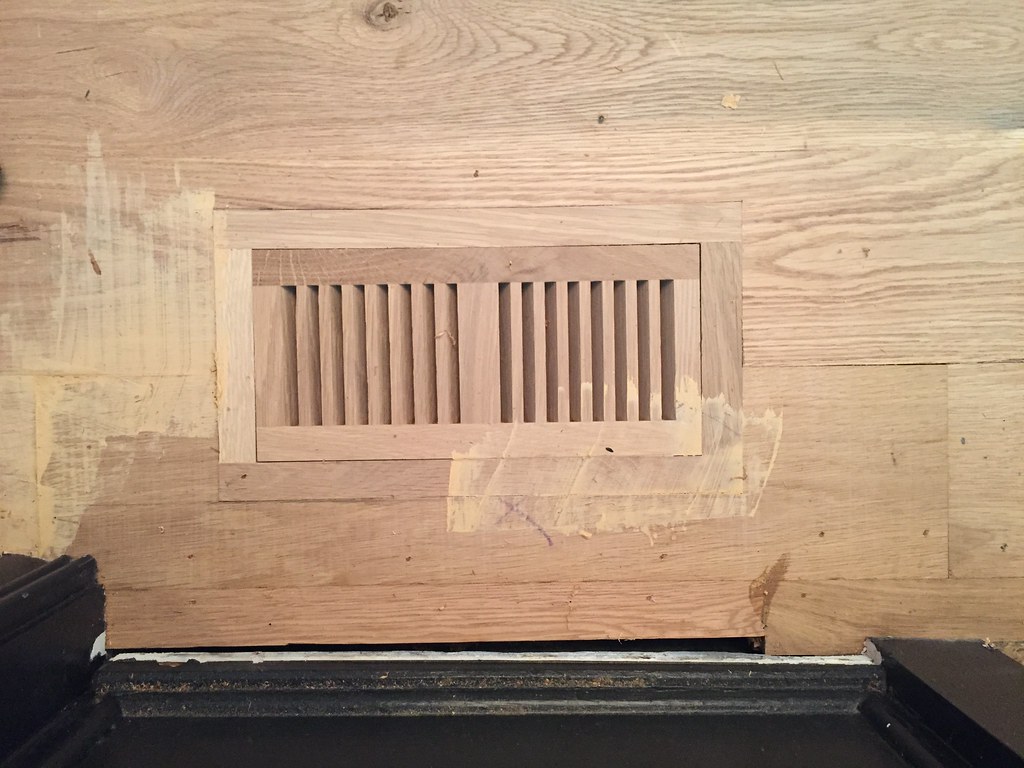
Professional installation ensures long-term performance and proper subfloor preparation.
Once you have selected your product, the next step is preparing your installation space. The subfloor must be flat, clean, and dry before any flooring goes down. Any high spots or debris can cause the planks to move or creak over time. Most installers will use a moisture meter to check that the subfloor is not absorbing too much water from below, and they may recommend a moisture barrier in basements or over concrete. Proper acclimation of the material in the installation space for 48 hours before work begins allows the planks to reach equilibrium with the room's humidity, which prevents buckling or gaps after installation.
How to use it
Luxury vinyl plank is click-locked together, meaning planks snap together at the edges and do not require nails or glue. This makes replacement of individual planks straightforward if damage occurs. Stagger the seams so that the joints in one row do not line up with the joints in the row above or below—this prevents a weak line running through your floor. Many installers recommend leaving a quarter-inch gap around the perimeter so the floor can expand and contract with seasonal humidity changes without buckling against walls or baseboards.
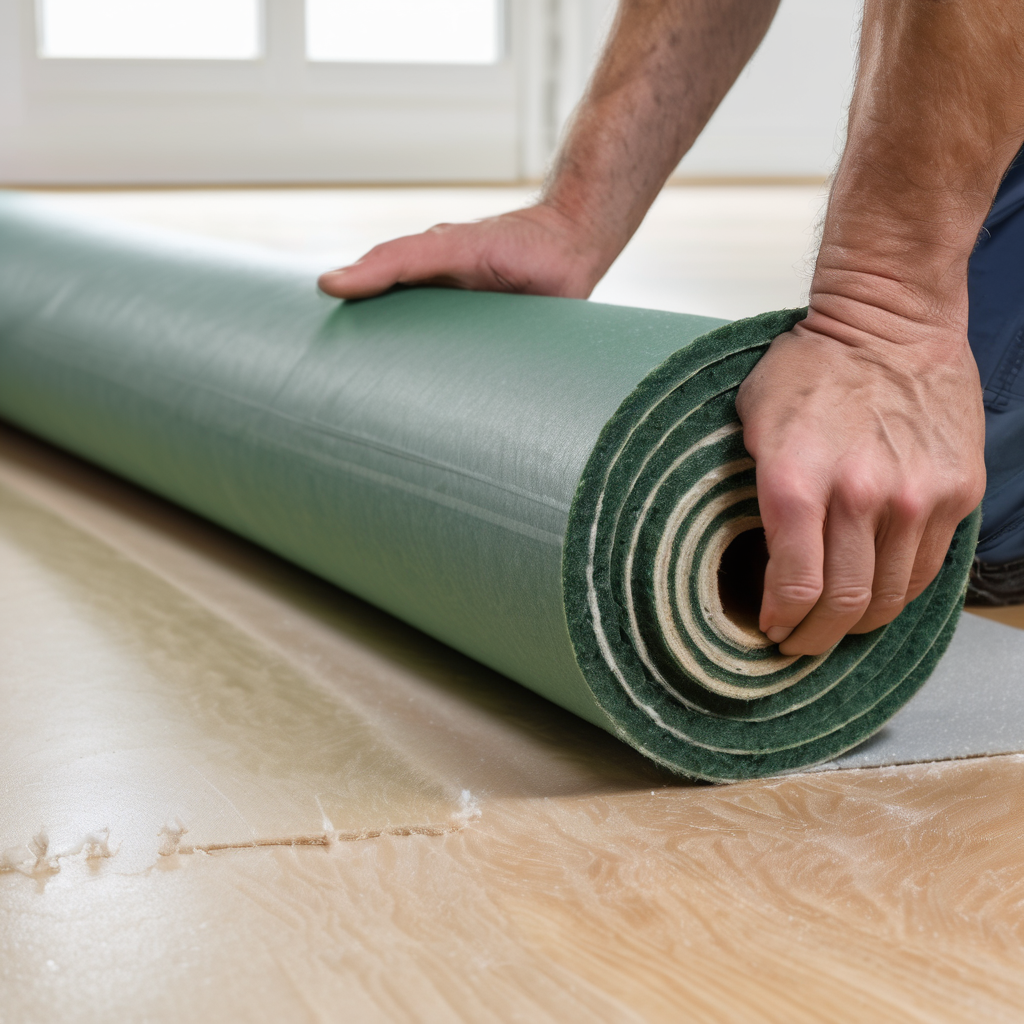
Underlayment beneath LVP serves two purposes: it provides some sound dampening and can add cushioning underfoot. It also acts as a secondary moisture barrier when installed over concrete or in areas with high humidity. The choice of underlayment thickness and type depends on your subfloor condition and your own preference for feel and noise reduction.
The key figures
Proper underlayment installation protects your LVP investment and improves durability.
Most residential luxury vinyl plank is 4 to 6 inches wide and 36 to 48 inches long, though wider and longer planks are increasingly common. Thickness ranges from 4mm to 8mm, with thicker products offering more comfort underfoot and better sound dampening. A typical 200-square-foot room might require 8 to 10 boxes of planks, depending on waste and the pattern you choose. Installation time for a professional is roughly 50 to 100 square feet per hour, factoring in subfloor prep and underlayment. Material costs run from $2 to $6 per square foot for mid-range products, with installation adding another $3 to $8 per square foot.
Common sticking points
Can you use LVP with radiant heat?
Yes, but not all products work the same way. Some luxury vinyl planks are rated for radiant floor heating, while others are not. Check the manufacturer's specifications before purchasing if you have warm floors. Radiant-rated products have a lower R-value so heat passes through more easily.
What causes planks to come apart at the seams?
Seams separate when humidity swings are too extreme or when underlayment is missing or poorly installed. Maintaining moderate indoor humidity (30 to 50 percent) and ensuring the floor was acclimated before installation prevents most seam issues. If separation happens after installation, the room's humidity may be cycling too much.
How resistant is LVP to stains?
The wear layer resists many common spills, but some substances can mark the surface. Red wine, dark juices, and certain cleaning products can discolor vinyl if left on the surface for extended periods. Wipe spills promptly, and avoid harsh cleaners that degrade the surface.
Is LVP actually waterproof?
Luxury vinyl plank is waterproof at the material level, but water can still seep into seams if planks are not sealed properly or if water sits on the surface for days. Spills should be wiped up quickly. Some premium products include an integrated water barrier at the seams. Some buyers ask whether vinyl plank affects the air in the house. For the detail on how emissions are tested and certified, see the Resilient Floor Covering Institute's FloorScore page.
Video walkthrough
Step-by-step installation from a major home improvement retailer shows the click-lock method and finishing touches.